

Overview
Due to the abundance of manufactured, plastic, or machine-carved beads in the market nowadays, people are always inquiring about the mukhi of rudraksha. Many purchasers wind up paying a premium price for a bead that has no spiritual worth since they don’t even know how to know mukhi of rudraksha. Rudraksha is a sacred seed, not merely a fad. Therefore, it is crucial to fully comprehend the actual identifying process before making a purchase.
Examine the organic mukhi lines.
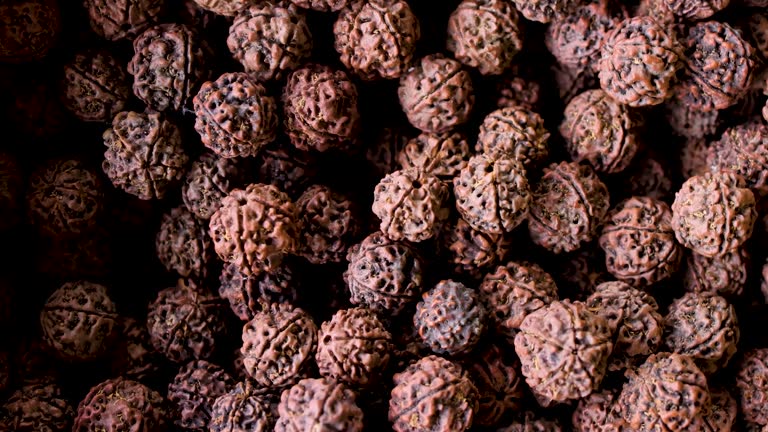
Observing the natural grooves is one of the easiest and most straightforward techniques to determine the mukhi of rudraksha. Each mukhi is a discernible vertical line that extends from top to bottom. These lines are never chiseled; they are always organic. In order to enhance the number of mukhi, fake vendors occasionally cut or damage the bead. The line in a natural bead is uninterrupted. Additionally, unlike machine cuts, the lines are not exactly straight.
Carefully do the magnet and float test.
Some individuals use a magnet or submerge it in water to do a float test. Yes, these little exams are helpful occasionally, but not always. Because of the weight of the seeds inside, many real beads also sink. Furthermore, since genuine rudraksha is not made of metal, the magnet test is pointless. Therefore, a water test alone cannot provide conclusive evidence; nevertheless, when paired with other tests, it can help determine the mukhi of rudraksha more accurately.
Testing the internal structure through a hole
There are chambers inside the drilled hole when you look at the top and bottom. For instance, you might see five distinct compartments inside if you purchase five mukhi rudraksha. Such chambers are absent from fake beads. A magnifying glass or jeweler’s lamp can be useful. One of the most reliable checks in the business is this one.
Feel and touch of the skin’s outer layer
Unlike polished imitation beads, the surface of a real rudraksha is neither overly smooth nor overly glossy. It will feel organically rough on the outside. It is typically chemically coated if it seems excessively glossy or flawlessly shiny brown. In true Rudraksha, certain greyish natural patches and skin variance are perfectly normal.
Purchase only from reliable vendors
Even with all of these techniques, purchasing from reputable, trustworthy vendors is still the simplest approach to determine rudraksha’s mukhi. Businesses that offer identity documents, X-ray reports, or lab certification are more trustworthy. Don’t waste money on pricey mukhi like 11, 12, 14, or above without certification.
In conclusion
You can now advise someone that shape or color alone is not proof when they ask how to determine the mukhi of rudraksha. Avoid artificially polished beads, examine internal compartments, always verify natural lines, and try to buy from a certified supplier. Since rudraksha is a spiritual power bead, it should always be properly identified before being worn.